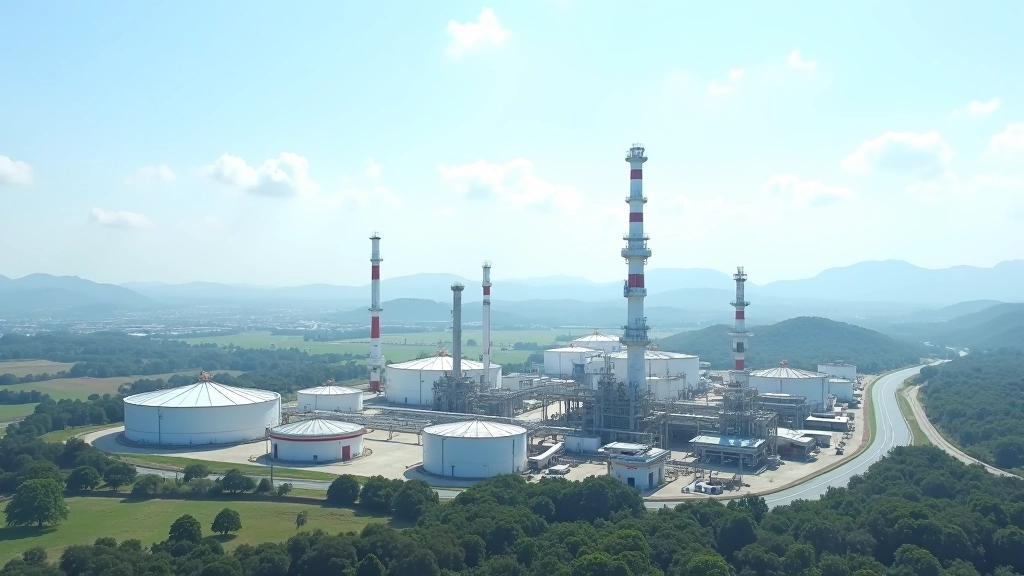

Federal Revenue Composition: Understanding Malaysia’s Income Sources
Breakdown of how Malaysia generates federal revenue through taxation, petroleum exports, and other sources that fund government operations and development projects.
Read MoreHow government spending on infrastructure, education, and healthcare drives economic growth and improves living standards across the nation.

Development expenditure is the backbone of Malaysia’s economic transformation. It’s how the government invests in tomorrow—building highways that connect communities, schools that educate future leaders, and hospitals that save lives. Unlike routine government spending on salaries and operations, development spending creates lasting infrastructure that generates economic returns.
The thing is, Malaysia faces a real balancing act. The country needs to invest heavily in modernizing its infrastructure while managing limited resources. Petroleum revenues have historically funded much of this spending, but that dependency creates vulnerability. Understanding how development funds get allocated—and why certain projects take priority—reveals a lot about where Malaysia’s heading economically.

Roads, bridges, rail networks, and ports form the physical backbone of commerce. Malaysia’s invested billions in the Mass Rapid Transit system, highway expansions, and port modernization—projects that don’t just move people, they move economic opportunity.
Schools, universities, and vocational training centers receive steady development funding. It’s not flashy like a new highway, but it’s essential. Skilled workers drive productivity. Malaysia’s education spending reflects the understanding that human capital matters more than physical assets.
New hospitals, clinics, and medical equipment get funded through development budgets. The COVID-19 pandemic showed why healthcare infrastructure matters—when it’s weak, economies suffer. Malaysia’s healthcare spending keeps the workforce healthy and productive.
Special economic zones and technology hubs attract foreign investment. These projects don’t pay off immediately, but they position Malaysia as a competitive manufacturing and tech hub in Southeast Asia.
Water treatment plants and power infrastructure get substantial funding. These aren’t optional—economies can’t function without reliable utilities. Malaysia’s investing in resilience against climate challenges too.
Flood mitigation, renewable energy, and community development projects receive growing allocations. There’s increasing recognition that sustainable development means protecting the environment while lifting people out of poverty.
Development projects don’t happen randomly. Malaysia’s government uses a structured process to decide what gets funded. The budget planning typically starts 18 months before implementation, with different ministries submitting proposals based on strategic priorities.
Here’s how it works: Cabinet approves the overall development budget framework. Individual ministries then bid for funding based on project merit, urgency, and alignment with national development plans. Projects get evaluated on expected economic returns, job creation potential, and regional impact. A highway connecting an underserved area might score higher than expanding an already-developed region, even if it costs more.
Political considerations matter too—that’s honest to acknowledge. Infrastructure tends to get distributed across different states and constituencies. But there’s genuine competition for limited funds. Not every proposal gets approved. Ministries know they’ve got to make their case, so project planning has become more rigorous. Cost-benefit analyses are standard now.
“Development spending is about creating tomorrow’s productive capacity. A road built today generates returns for decades.”
— Economic Planning Unit perspective

Money gets approved but doesn’t always get spent on schedule. Land acquisition delays, environmental approvals, contractor issues—projects fall behind. This means allocated funds sometimes don’t produce results in the intended year, which creates gaps in economic stimulus.
Malaysia faces a tough choice: spend more on maintaining aging infrastructure or invest in new projects? Existing roads, water pipes, and power lines need constant upkeep, which can consume 30-40% of development budgets. But without new infrastructure, competitiveness suffers.
Should development funds prioritize high-return projects in already-developed areas, or spread resources to less-developed regions? Malaysia tries to balance both. This means some projects might generate lower economic returns but address important equity concerns.
Development spending funded by petroleum revenues works great when oil prices are high. But when global energy markets weaken, revenue drops suddenly. Malaysia can’t just cut development spending mid-project, so debt increases. This creates pressure for fiscal adjustment later.
Development expenditure creates what economists call “productive capacity.” When you build a port, you’re not just spending money—you’re creating infrastructure that generates economic activity for decades. A factory can export goods. A trained engineer can innovate. A hospital can keep the workforce healthy.
The returns aren’t always immediate or obvious. A new highway might take three years to show measurable economic impact as supply chains reorganize around it. But that impact compounds. Lower logistics costs mean cheaper goods. Faster commutes mean more productive workers. Better hospitals mean fewer sick days.
Malaysia’s development spending directly connects to its economic ambitions. To become a high-income country, the nation needs world-class infrastructure, educated workers, and healthy communities. That doesn’t happen without sustained investment. That’s why even during tight fiscal periods, development spending remains a priority.

Development expenditure allocation isn’t glamorous policy, but it’s crucial. Every road, school, and hospital represents a bet on Malaysia’s economic future. These investments shape how efficiently the economy functions, where people can live and work, and what opportunities future generations inherit.
The real challenge isn’t just deciding what to build—it’s building sustainably given resource constraints. As petroleum revenues become less reliable, Malaysia’s shifting toward more diversified funding for development projects. Public-private partnerships are growing. Private investors are funding toll roads and infrastructure projects. That’s actually healthy, because it means development spending becomes less vulnerable to oil price fluctuations.
Understanding development expenditure helps you grasp why government budgets matter. These aren’t abstract numbers—they’re decisions about physical infrastructure that’ll shape economic life for years. When you drive on a new highway, attend a modern school, or get treated at a well-equipped hospital, you’re experiencing the results of decisions made years earlier about development spending priorities.
This article provides educational information about Malaysia’s development expenditure allocation and fiscal policy. It’s designed to help readers understand how government development spending works, not to offer specific policy recommendations or financial advice. Development budgets and expenditure patterns change annually based on economic conditions, political priorities, and resource availability. For current budget information, consult official sources from Malaysia’s Ministry of Finance or Economic Planning Unit. Fiscal policy is complex and circumstances vary significantly by region and sector. This content reflects general principles and historical patterns—actual implementation involves many additional factors.